
Every Sunday evening, I used to feel a familiar knot in my stomach. The week had slipped by in a blur of meetings, emails, and ‘urgent’ tasks, and I had no real sense of what I’d accomplished. I’d tried bullet journals, daily planning apps, and elaborate GTD setups, but nothing gave me that feeling of closure and clarity. Then I started a weekly review practice — and it changed everything.
A weekly review is a dedicated time to step back, take stock, and prepare for the week ahead. It’s not about doing more; it’s about feeling more in control. The key is to make it a ritual, not just a task on your to-do list. That means setting a specific time, having a simple structure, and (this is crucial) not overcomplicating it.
I’ve experimented with many formats, and the one that works is a three-part framework: clear, plan, reset. First, I clear my workspace — both physical and digital. I archive completed tasks, delete old notes, and empty my inbox. This is like clearing the clutter from my mind. Next, I plan: I review my calendar for the upcoming week, check my priorities, and schedule the most important tasks. Finally, I reset by reviewing my goals and making sure my systems are in order.
One of the biggest mistakes people make is trying to do a deep review every week. They end up spending two hours and burning out. My review takes about 30 minutes, and that’s fine. The goal is consistency, not perfection. Some weeks I don’t have a lot to review, and that’s okay. The ritual is what matters.
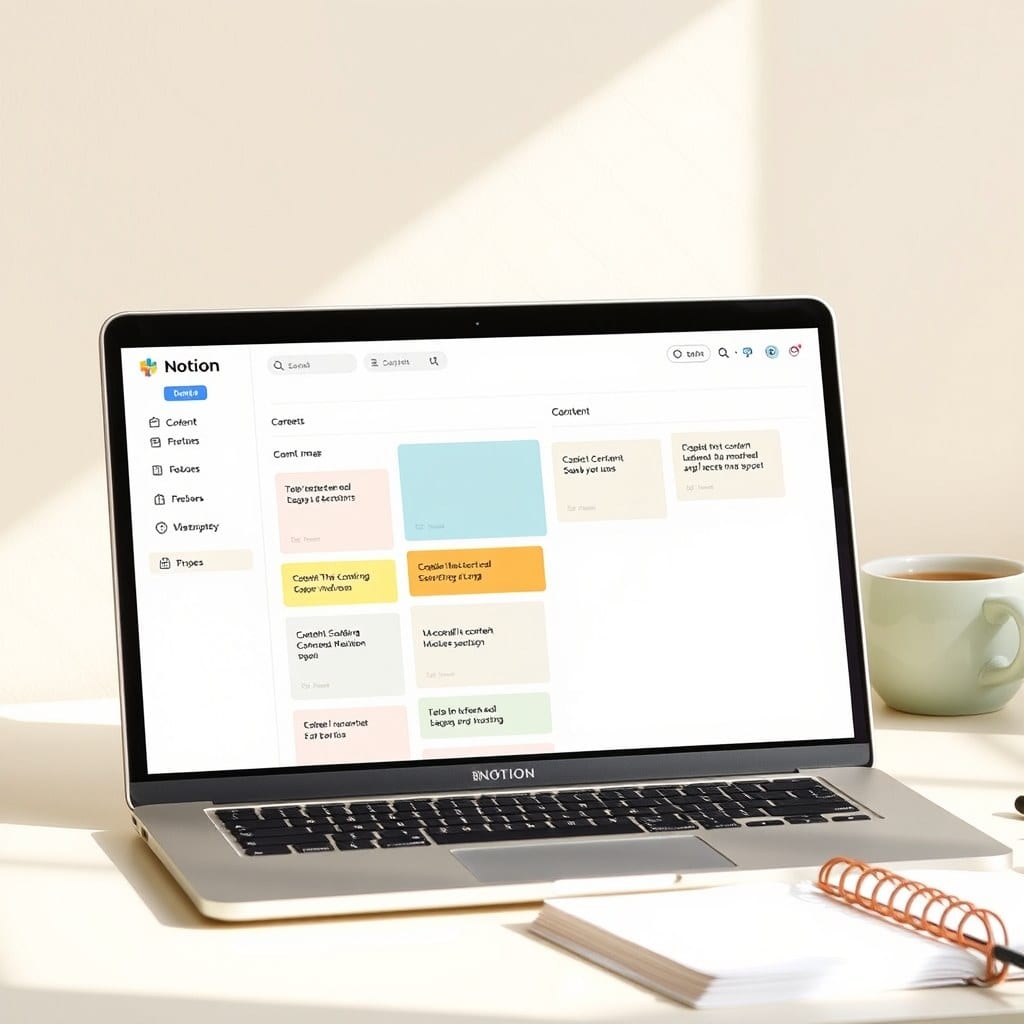
To make this work, you need a system that’s easy to use. I built a Notion template with a simple weekly review dashboard. It has a space to check off the clear, plan, and reset steps, and it automatically pulls in my tasks and calendar. That might sound fancy, but it’s really just a few linked databases. The beauty of Notion is that you can make it as simple or as complex as you want.
If you’re new to weekly reviews, I recommend starting small. Set a recurring reminder for Sunday evening, and just do the ‘clear’ step for the first week. Then add the ‘plan’ step the next week. Before you know it, you’ll have a full review practice that feels natural.
What I love most about this ritual is the sense of ease it brings to my week. I no longer wake up on Monday feeling anxious about what I might have forgotten. Instead, I have a clear plan and a calm mind. That’s the kind of productivity that actually lasts.